Tell us about the job
Takes about a minute. No obligation.
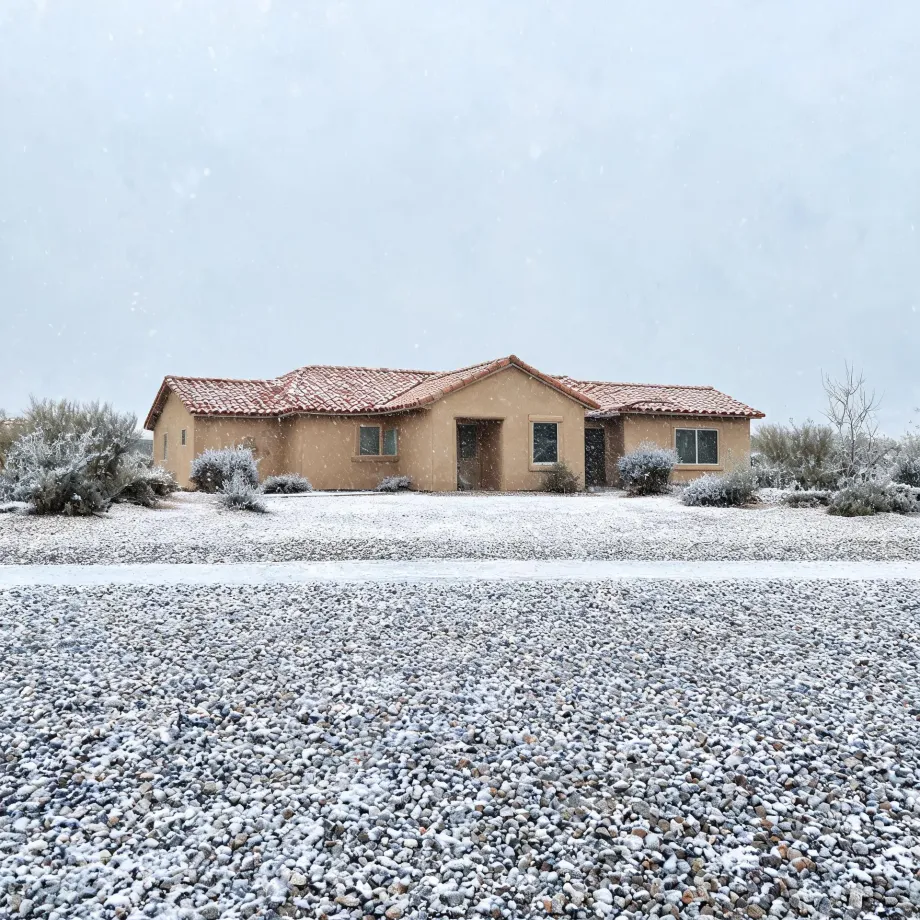
Sizing a boiler for Pima County starts with knowing how hard the heating season actually runs the equipment. Homes in Pima County, AZ run heat about five months a year, from November through March. The burner and heat exchanger cycle repeatedly through those months, then sit idle through a long warm stretch. That idle period does not spare the system: seals dry, ignition components corrode, and a fault that formed in March goes unnoticed until the first cold night in November. A contractor quoting an install here has to account for both the cycling load and the dormant period when setting capacity and specifying components, because an undersized or poorly sealed unit will show its limits early in the burner, not at the end of a long service life.
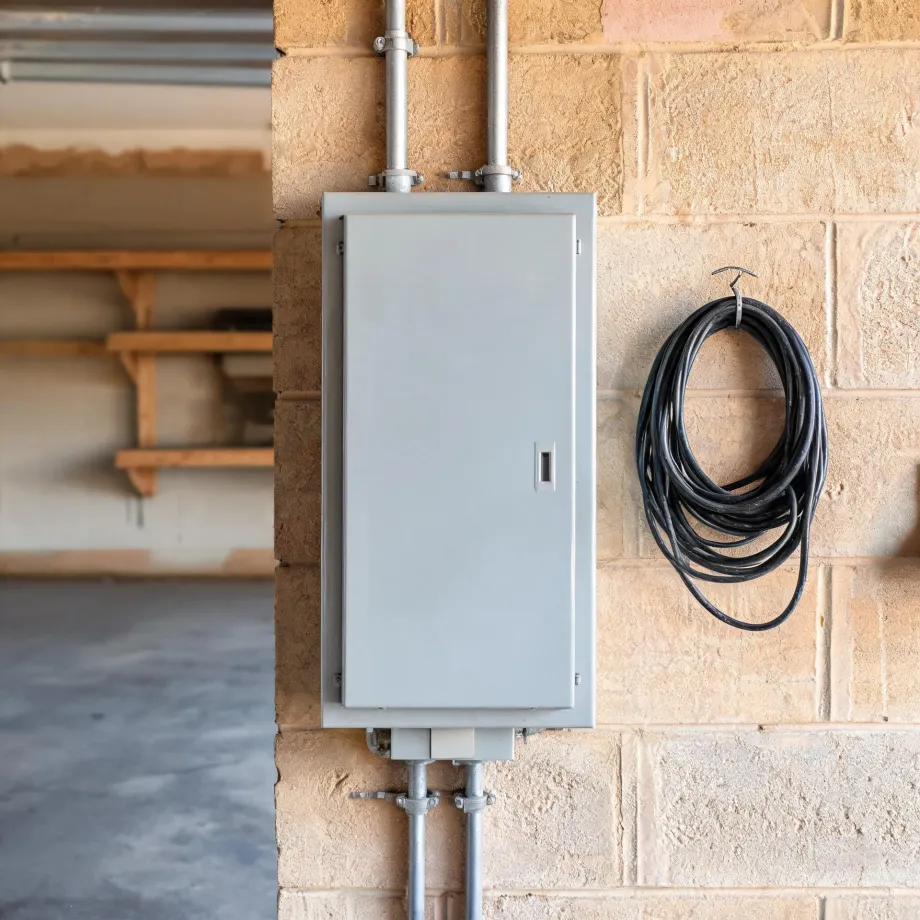
Existing ductwork and electrical service are what a contractor prices around when quoting a boiler installation here, and both reflect decisions made for equipment that is long gone. Half the homes in Pima County, Arizona were built in 1986 or earlier (2020-2024 ACS 5-year). When half the housing was configured for an earlier generation of systems, the runs, connections, and panel capacity in place are the open question, and the boiler itself is the straightforward part of the bid. A contractor who has worked this county knows to assess what the house already has before any equipment is selected.
What a Boiler Installation Puts in Your Home
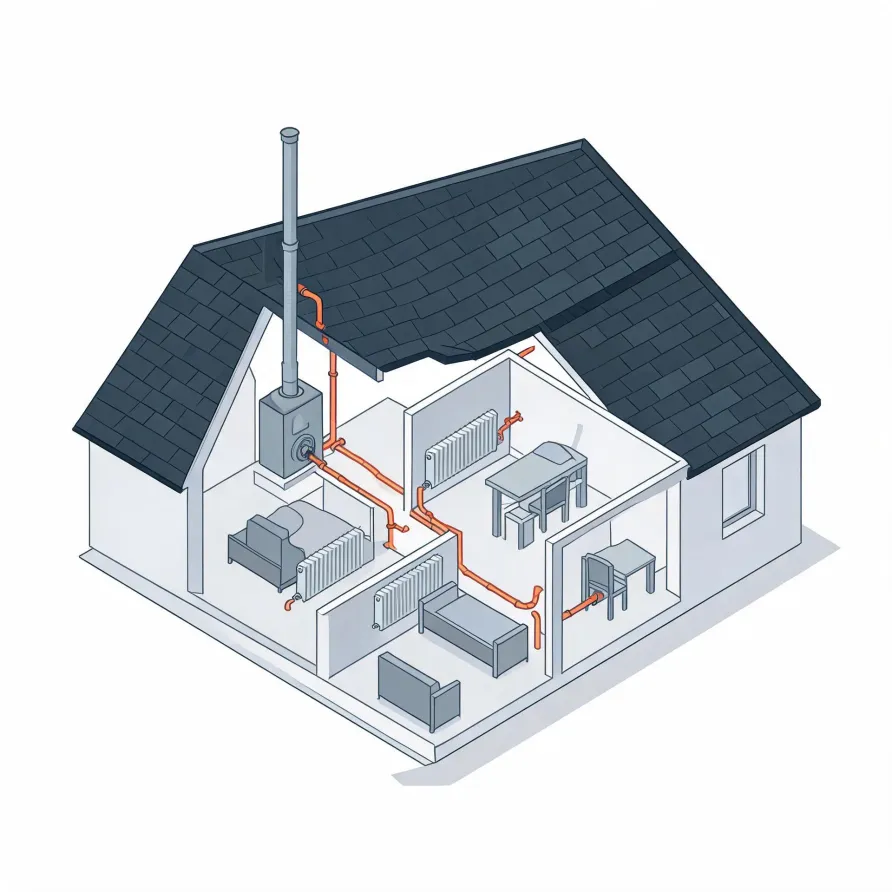
The boiler itself sits in a mechanical room, basement, or utility closet and is the unit that heats water for the whole system. Wall-mounted or floor-standing depending on the house, it is the piece a contractor sizes, positions, and connects before anything else can follow.
From the boiler, supply and return pipes run through the house to radiators or radiant floor loops, each of which releases heat into a room. A circulator pump, mounted on the piping near the boiler, moves the heated water through that circuit, and an expansion tank sits close by to handle pressure changes as the water heats and cools.
The drawing shows a typical layout, and a licensed contractor determines exactly how each piece fits the conditions in your home.
Find a contractor in Pima CountyPima County, by the numbers
405 severe weather events were recorded in Pima County, Arizona between 2015 and 2024.
NOAA National Centers for Environmental Information, Storm Events Database, bulk CSV export, events 2015-01-01 through 2024-12-31.Half the homes in Pima County, Arizona were built in 1986 or earlier (2020-2024 ACS 5-year).
U.S. Census Bureau, 2020-2024 American Community Survey 5-Year EstimatesPima County, Arizona holds 479,939 housing units (2020-2024 ACS 5-year).
U.S. Census Bureau, 2020-2024 American Community Survey 5-Year EstimatesOwners occupy 65.2% of the occupied homes in Pima County, Arizona (2020-2024 ACS 5-year).
U.S. Census Bureau, 2020-2024 American Community Survey 5-Year EstimatesBoiler Installation Rules on the Books for Pima County, Arizona1 codes, standards & licensing rules
Licensing and Legal Requirements in Pima County, Arizona
Arizona requires a contractor licence in good standing: it is unlawful to engage in the business of contracting, to bid, or to act or hold yourself out as a contractor without one.
Severe Weather Events in Pima County
Weather extremes put direct pressure on heating equipment: recovery loads, run times, and the stress placed on components all track with what the climate delivers. A boiler sized and installed for local conditions in Pima County handles that pressure differently than one specified for somewhere else.
405 severe weather events, 2015–2024. Source: NOAA National Centers for Environmental Information, Storm Events Database.