 Hand it off
What size boiler an Arizona home needs
Send the form and the search for an installer is over.
Boilers aren't common in most Arizona homes, since electric heat covers the few cool months here. If yours came with the house, or you're replacing one that's failing, sizing it right matters more than the brand or the price tag. Too big and it short cycles, wearing out parts years before it should. Too small and it runs long and still can't keep the far rooms warm on the cold nights in December and January.
Getting the size right isn't a guess. It comes from a heat loss calculation that accounts for your square footage, your windows, how the house is insulated, and the layout of the rooms the boiler has to reach. Two homes of the same size on the same street can need different units if one has more glass or higher ceilings. This is a measurement job, not a chart lookup.
That's the kind of work a local contractor does on boilers all year, not just in the weeks it gets cold. Someone who installs and services them in Arizona homes knows which sizes actually get specified here, and which problems show up in installs that were sized off a rule of thumb instead of a real calculation.
Once you send the form, you're done hunting for someone to call. A licensed contractor local to you picks it up, not a batch of companies competing for your number. You get the one person who needs your address and your home's details to get the sizing right, and the search is off your plate.
Below, you'll find what actually drives boiler sizing for Arizona homes, how that math differs from what works in colder states, and what to ask for when a contractor gives you a number.
Boiler size comes from a heat loss calculation on your house, not a chart based on square footage. A contractor figures out how much heat your home loses on the coldest nights it actually sees, then sizes the boiler to match that number, measured in BTUs. Arizona winters are mild, so most homes here need less boiler capacity than the same size house in a colder state, even with the same number of rooms and the same insulation. Get the size wrong and you feel it either way. A boiler too small runs constantly during the handful of cold weeks and never quite catches up. One too large heats the house in short bursts, cycling on and off, which wears the parts faster and leaves rooms feeling uneven instead of warm. The only way to know your number is to have someone measure your house, not guess from its size.




Send one request and you're done looking
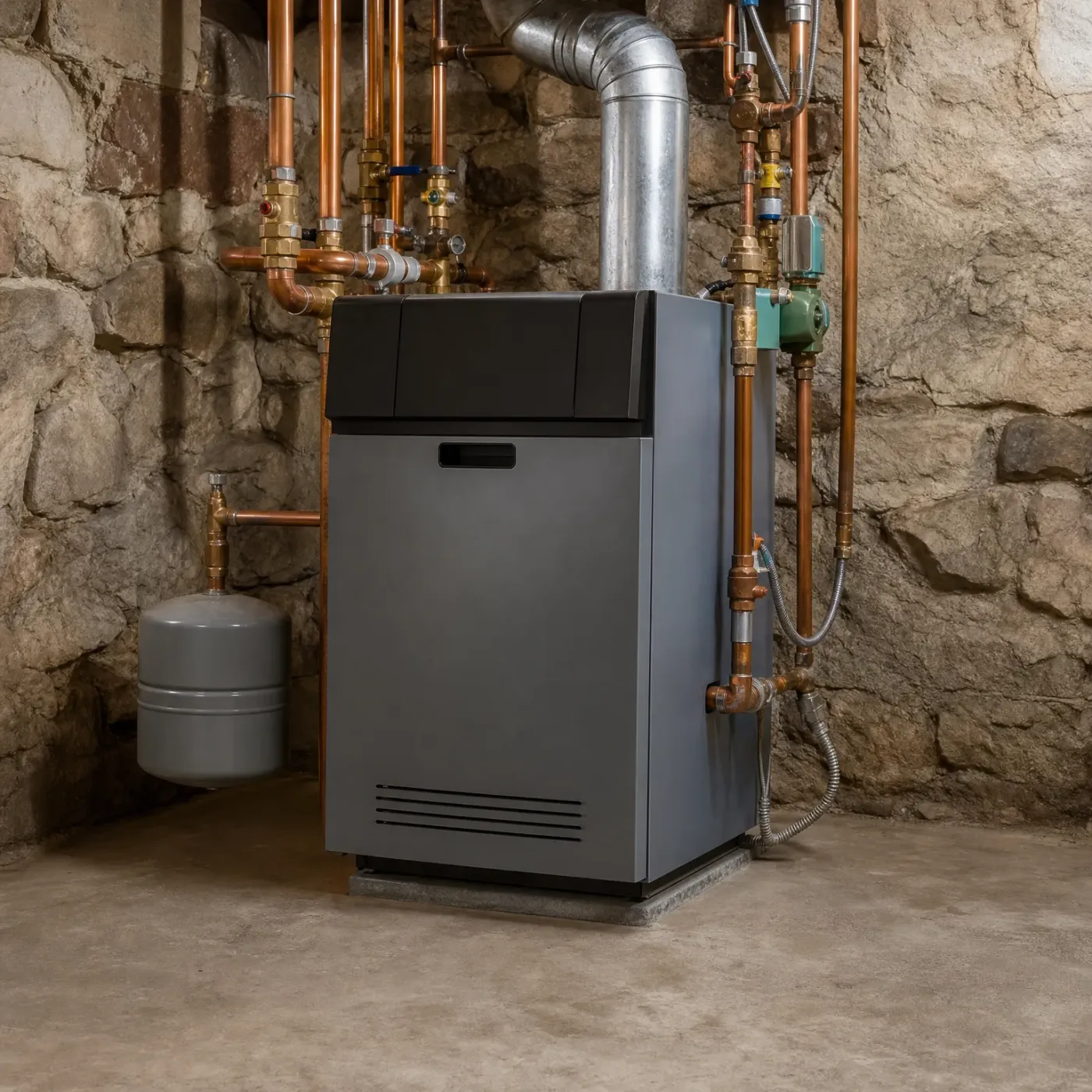
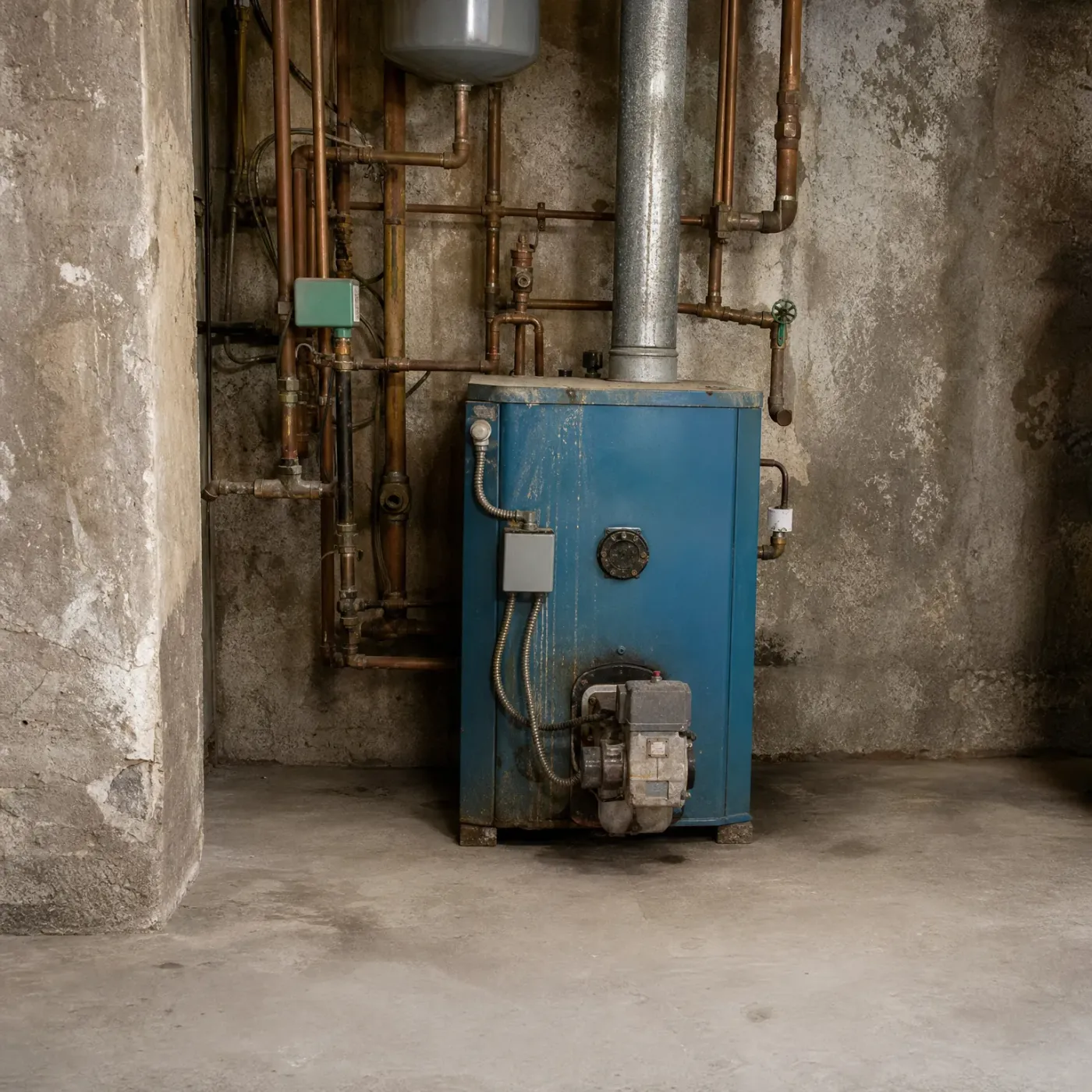
A boiler is an odd thing to own in Arizona, and that's exactly why getting the size right is worth doing once, properly. Most houses near you never had one installed and never needed one, so there's no neighbor down the street to compare notes with and no local supply house doing this ten times a week. That makes the calculation more important, not less. Someone who works on the boilers that do exist in this area, year after year, knows which old units were oversized from the start and which parts tend to fail from short cycling versus normal wear. That's a narrower kind of experience than most contractors get, and it's the kind that gets your sizing right the first time. Send the details once and they go to that one contractor, not a handful of companies bidding on a system most of them rarely touch. You get an answer suited to your house, from someone who already knows this equipment.
Why Arizona's mild winters matter
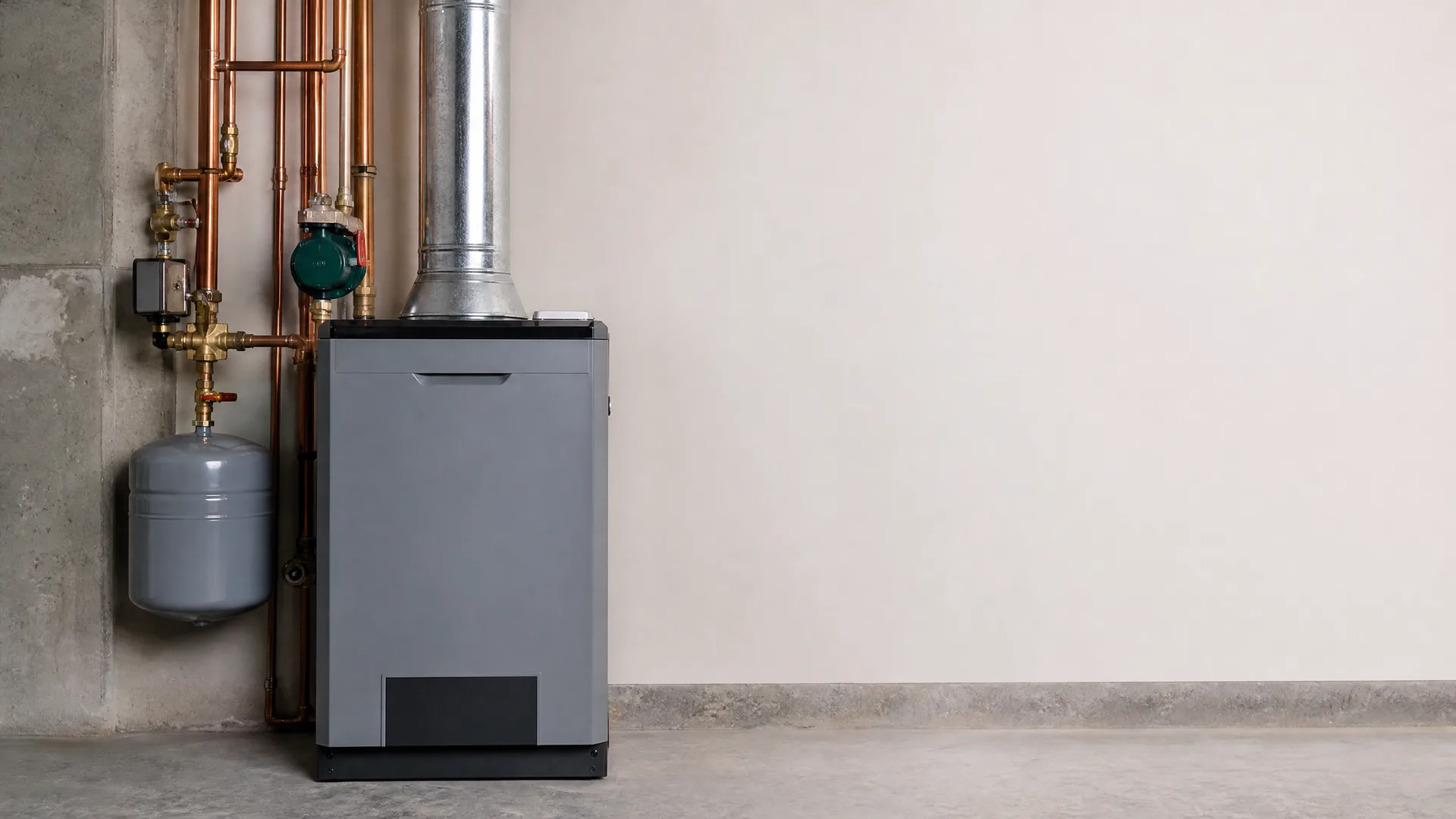
A heat loss calculation in Arizona lands on a lower number than the same house would get in a cold state, because the coldest night your home actually sees isn't that cold. A contractor working from your local design temperature, not a national average, sizes the boiler to that number. Use a chart meant for harder winters and you end up with a boiler built for conditions your house never faces.
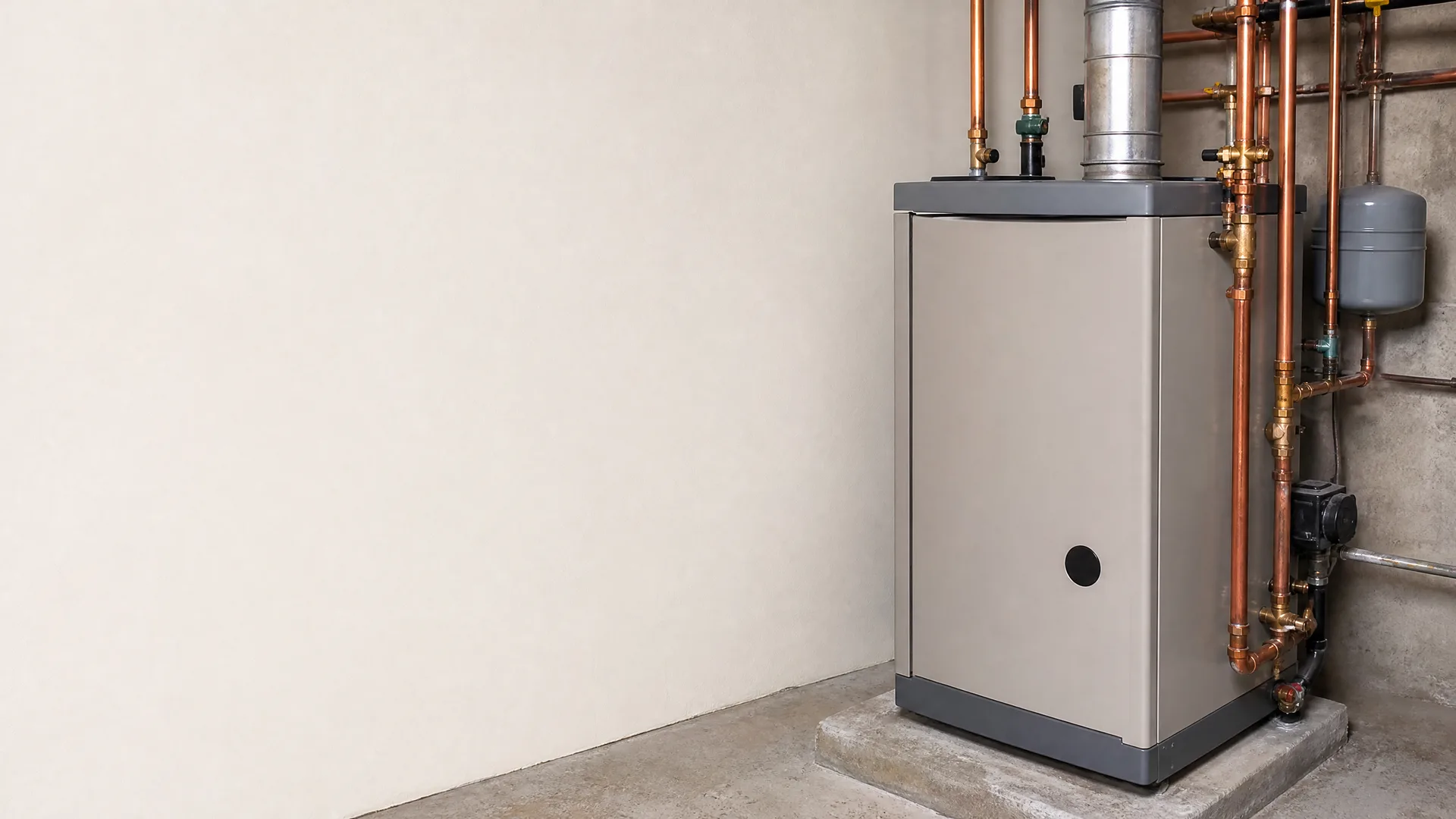
What a correctly sized boiler does
On a cold night here, a properly sized boiler runs for a stretch, moves heat through the system at a steady rate, and shuts off once the house catches up. The burner isn't working against a load it was never built for, and the valves and pipes see the same steady pressure each cycle. That steady pattern is what a heat loss calculation is meant to produce, not an accident of a good installation.
Winter nights average 39°F statewide
A 39°F low isn't much of a load. Your boiler only has to make up that gap, not fight single digit nights like a furnace would back east. Size it for what your house actually loses on a 39°F night, not for weather it will never see.
NOAA nClimDiv 1991-2020 county normals weighted by homes
The Right Size, Done Once
- Right size comes from a heat loss calculation on your house, not a square footage chart.
- Arizona's mild design temperature means your boiler needs fewer BTUs than the same house back east.
- A correctly sized boiler runs long, steady cycles that keep pipes and valves working as intended.
- An oversized boiler short cycles, firing hard and shutting off fast, wearing out the burner and controls early.
- With no boiler install base nearby to compare against, getting the calculation right the first time matters more here.
- Installation is the one piece of this job worth doing once and doing properly.
A boiler in an Arizona home is sized by what your house actually loses on its coldest night, not by a square footage number pulled off a chart. A contractor runs a heat loss calculation using your local design temperature, and that number comes out lower here than it would for the same house in a cold state, because your coldest night just isn't that cold. That lower number means fewer BTUs, and fewer BTUs done right is what keeps the boiler running long, steady cycles instead of firing hard and shutting off fast. Get the size wrong on the high side and you're looking at a burner and controls that wear out well before they should. Get it right and the pipes and valves behind the boiler work the way they were built to.
There's no boiler install base to check this against in most Arizona neighborhoods. Few houses here have one, and few ever needed one, so there's no easy way to compare what the house next door has running. That makes the calculation itself the thing that has to be right, not a guess backed up by what worked for someone else on the street. This is a job worth doing once and doing properly, with the number built from your house and your winter, not borrowed from somewhere colder.


Boiler Installation
Finding a pro stops being your job
Only one pro gets your request, so you hear from one company.